

Gallery
Gallery
Takeo SatoGallery
1899年 Born in Nagoya City
Due to his father's military transfers, he moved from Sendai to Kyoto Fushimi and then to Nagoya from an early age. For middle school, he transferred from Meirin Middle School in Nagoya to Asahikawa Middle School in Hokkaido, and then to Iwakuni Middle School in Yamaguchi Prefecture. He graduated from Iwakuni Middle School in 1917. He spent his impressionable boyhood years at Asahikawa Middle School and Iwakuni Middle School, which are deeply connected to his later works.
1919年Enrolled in the Waseda University Department of Science and Engineering Preparatory Course
That New Year, I became fascinated by "World Architectural Styles" by Ko Morita, which I found in a bookstore in Kagurazaka, and changed my ambition from becoming a doctor to an architect. Figures such as Koichi Sato, Shinichiro Okada, Tachu Naito, Kyoji Yoshida, and Wajiro Kon, who had been writing for magazines like "Architectural Review" and "Architectural World" that I had been reading for some time, felt like familiar acquaintances, which led me to choose Waseda University.
1924年
- Bachelor of Architecture, School of Science and Engineering, Waseda University
- Appointed as Assistant Professor at Waseda University
- Waseda Technical School Lecturer (concurrently)
- Commissioned architect at Koichi Sato Architectural Office (until 1932)
Upon graduation, he was appointed assistant professor at his alma mater by order of Professor Koichi Sato, who held his design talent in high regard. When designing the auditorium to commemorate Marquis Shigenobu Okuma, who passed away in 1922, he was designated by Professor Koichi Sato as the actual designer in charge. Later, in response to a request for an auditorium capable of hosting theatrical performances, he was also mentored by Shoyo Tsubouchi. Alongside his research on theater history, he pursued scientific acoustics, which did not exist at the time.
1926年
Published his first acoustics paper, "Acoustical Investigation of the Takarazuka Grand Theater," co-authored with Professor Kenjiro Kurokawa (Department of Telecommunications Engineering) in the Waseda Architectural Bulletin
Investigated the Crying Dragon at Nikko Toshogu Shrine and elucidated the "Crying Dragon phenomenon"
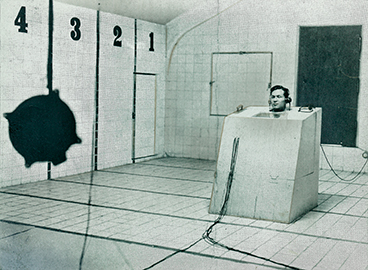 Enter a measurement device you devised yourself and conduct a reverberation measurement
1929年 Lecturer at Waseda Higher Technical School (concurrently)
1930年 receive the title of Fellow from the Acoustical Society of America
- Professor, Japan Women's University (concurrently)
- Participated in the founding of the Acoustical Society of Japan
1935年 Received a Doctor of Engineering degree from Waseda University for "Research on Acoustic Design of Auditoriums"
1937年 Receive the Architectural Institute of Japan Prize for Academic Achievement for "Research on Soundproofing Structures"
1938年 Appointed as a professor at Waseda University
1941年 Architectural Institute of Japan Council Member (until 1942)
1942年 Member of the 39th Subcommittee of the Japan Society for the Promotion of Science (until 1945)
1945年 Waseda University Councilor (until 1949)
In March, just before the end of the war, the Iwakuni Chokokan, the last piece of architecture built under wartime conditions, was completed. With the end of the war, graduates were demobilized from the Chinese mainland, and keeping the care of them in mind, he began practical architectural design work at his home in Higashifushimi, which became the origin of the Takeo Sato Architectural Office.
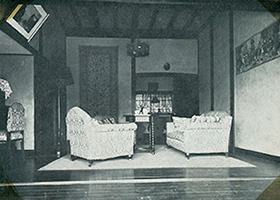 home in Higashifushimi (current: Nishi-Tokyo City, Tokyo)
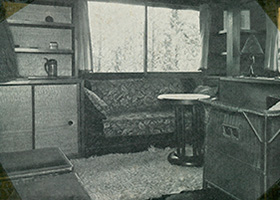
1946年 Architectural Institute of Japan Journal Editor (until 1947)
1947年 Director of the Japan Architectural Design and Supervision Association (until 1949)
1949年 Receives the Association Award from the Motion Picture and Television Engineering Society of Japan for the establishment of acoustic theory
- Member of the Ministry of Education School Architecture Planning Council (until 1953)
1950年 Establishment of Takeo Sato Architects, Limited Company
1951年 Resigning as a professor at Waseda University
- Participated in the reconstruction work of Kintaikyo Bridge as an advisor to Iwakuni City (until 1953)
- Maebashi Institute of Technology Junior College Advisor
- Waseda University lecturer
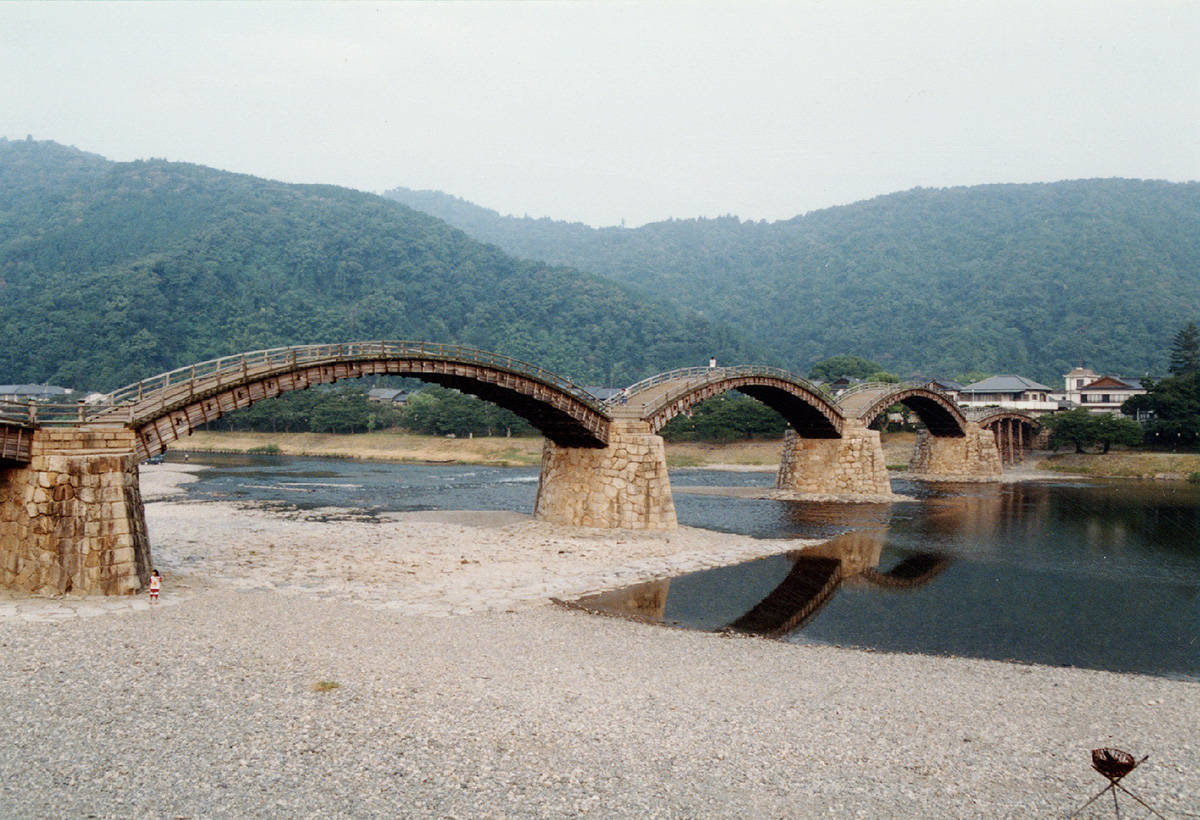 The reconstructed Kintaikyo Bridge
1952年
- Traveled to Europe as an architectural representative to the UNESCO International Congress of Artists
- Director of the Japan Architectural Design and Supervision Association (until 1954)
- Director of the Tokyo Society of Architects and Building Engineers (until 1954)
At the UNESCO International Congress of Artists, they visited various parts of Europe and the Middle East over a period of two months. Travel accounts from that time are included in the essay collection "Rose Window."
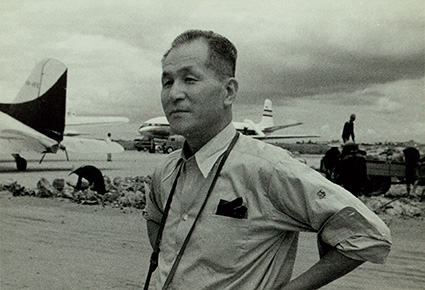 At the airport to attend the UNESCO International Congress of Artists
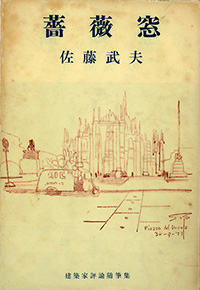
1954年 Establishment of Takeo Sato Architects Co., Ltd.
- Ministry of Construction First-Class Architect Examination Committee Member
- Member of the Board of Directors of the Japan Institute of Architects (until 1956)
1957年 President of the Architectural Institute of Japan (until 1959)
- Chairman of the Central Architect Council of the Ministry of Construction (until 1959)
- Member of the Housing Policy Council of the Ministry of Construction (until 1959)
He becomes the first president of the Architectural Institute of Japan from a private university. During his tenure, he dedicated himself to clarifying the nature of the society and reforming its organization, including a major revision of the articles of incorporation.
1958年
- Member of the Ministry of Finance Buildings and Grounds Adjustment Council
- Chair of the Public Relations Committee of the Architectural Institute of Japan
1960年 Receiving the Architectural Institute of Japan Award for the Asahikawa City Hall
- elected as an International Honorary Fellow of the Royal Institute of British Architects
- Chairman of the Fukuoka Prefectural Cultural Center Competition Design Jury
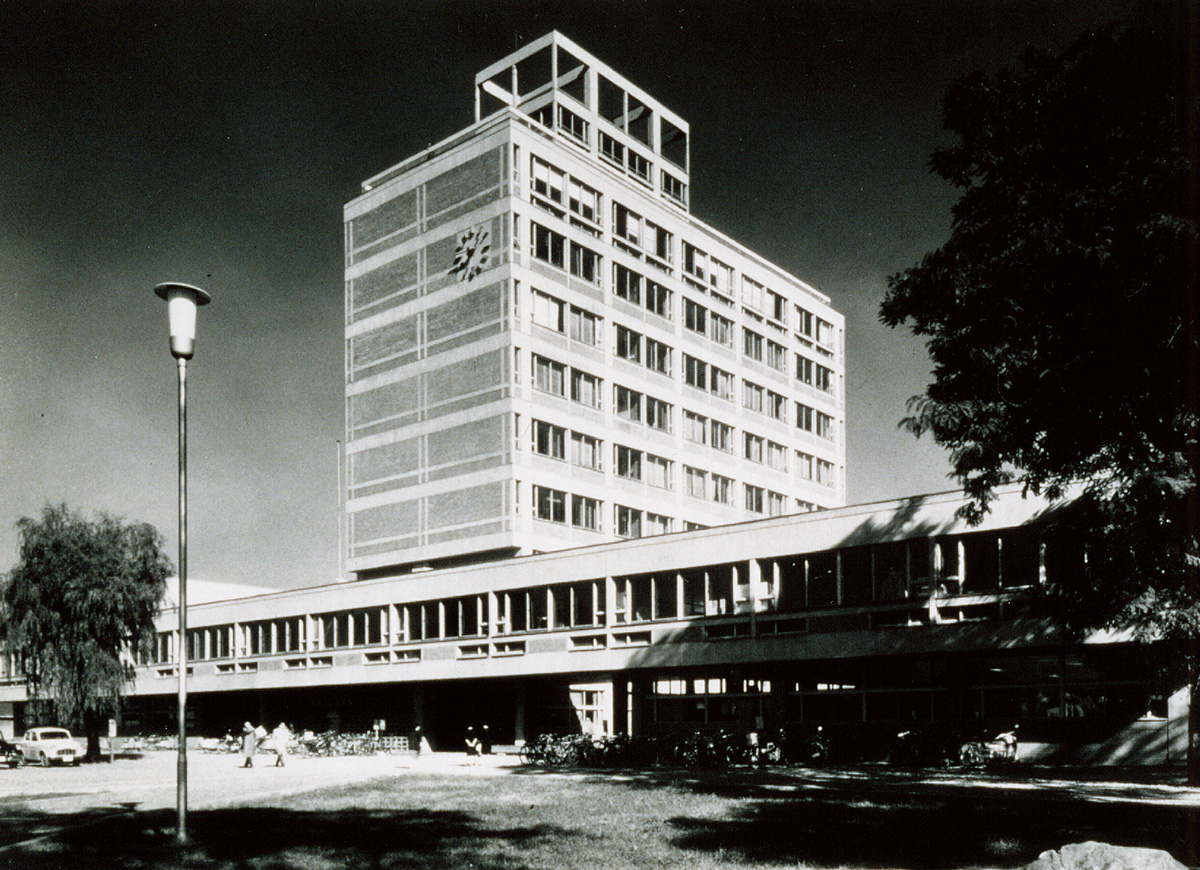 Asahikawa City Hall
1961年 Board Member of the Japan Institute of Architects (until 1963)
1962年 Receive the Nikkei Architecture Award for the Niigata City Hall
- Nerima City Hall Competition Design Jury Member
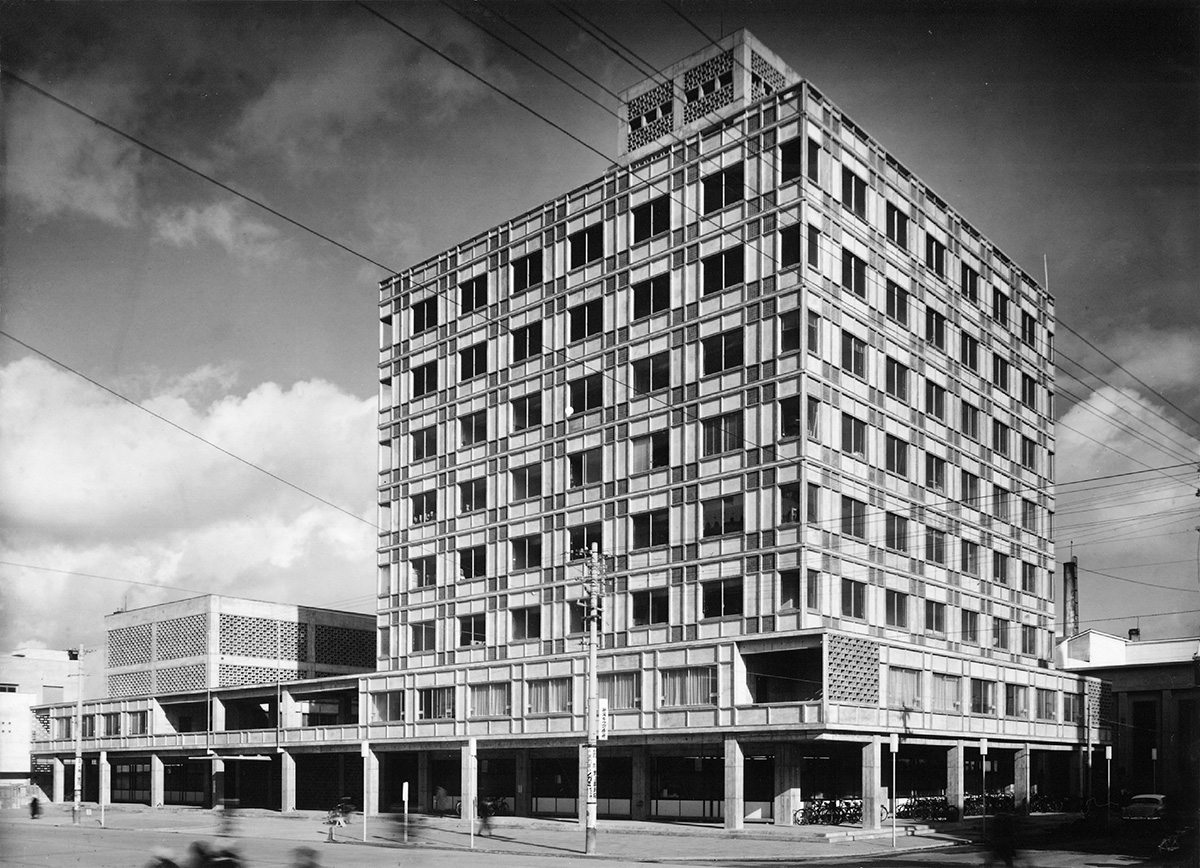 Niigata City Hall
1963年
Awarded the Medal with Yellow Ribbon
Awarded the Building Contractors Society Prize for the "Nagano City Hall"
- Member of the Design Competition Jury for the Kyoto International Conference Center
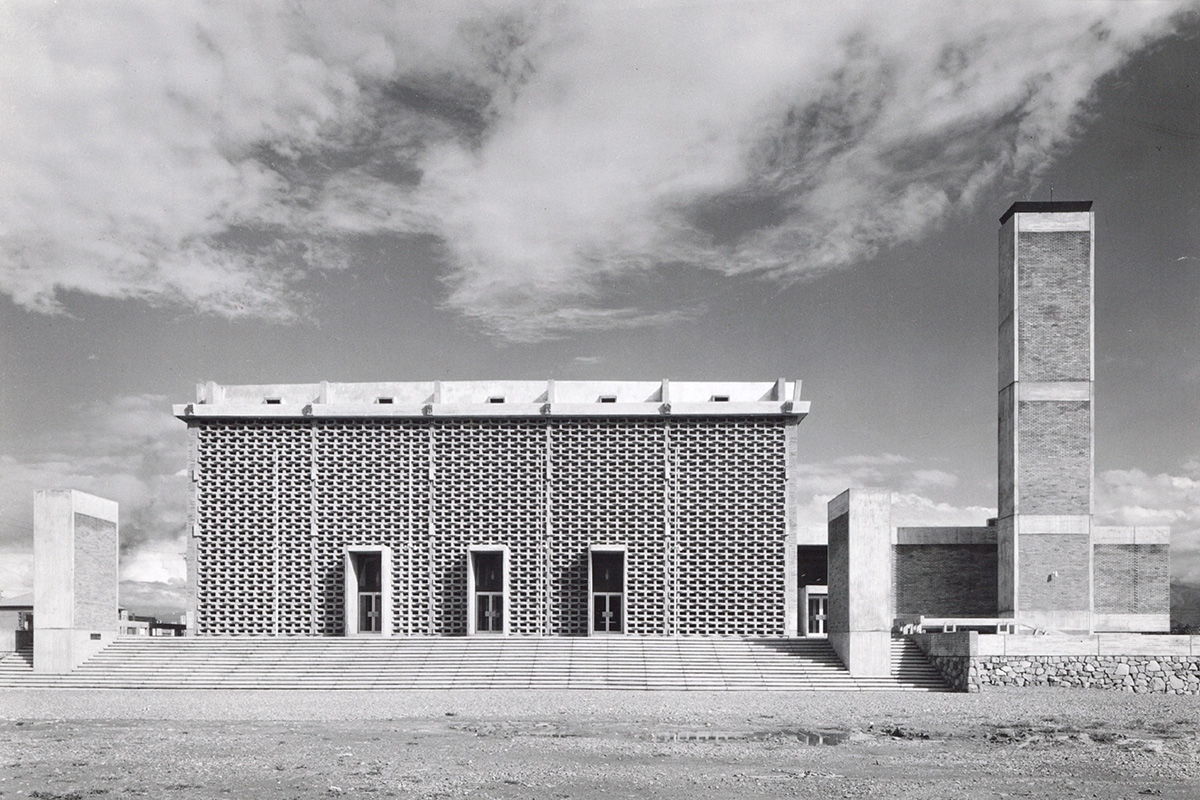 Nagano City Civic Hall
1964年
- be nominated as an honorary member of the Architectural Institute of Japan
- Appointed as a member of the Tochigi Prefecture Important Cultural Property Honjido Management Council and engaged in the restoration of the Crying Dragon
1966年 Receives the Building Contractors Society Award for the "Fukuoka Prefectural Cultural Center"
- Member of the Building Council of the Ministry of Construction
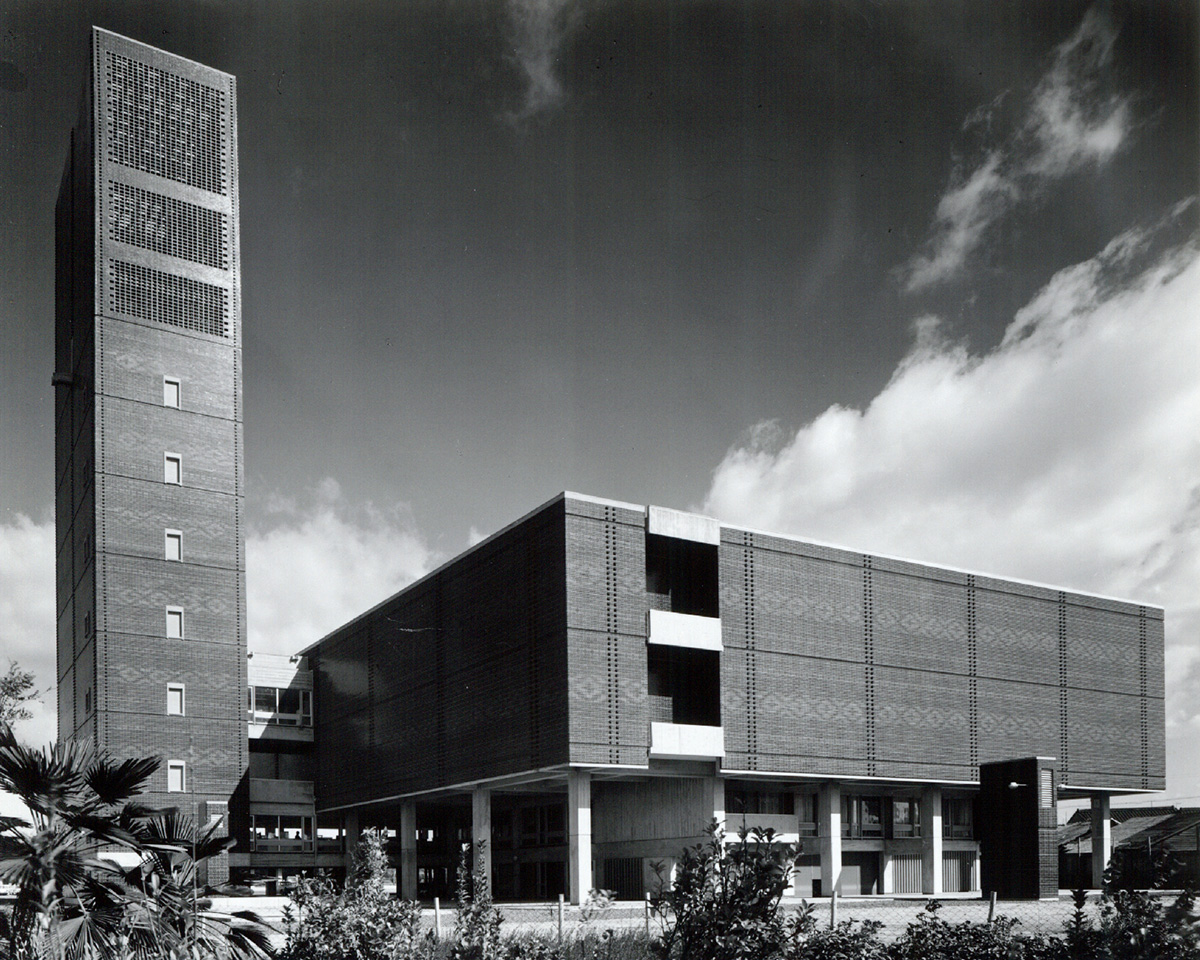 Fukuoka Prefectural Cultural Center (currently Fukuoka Prefectural Museum of Art)
1967年 Awarded the Order of the Sacred Treasure, Third Class
- NHK Broadcasting Culture Library Advisory Committee Member
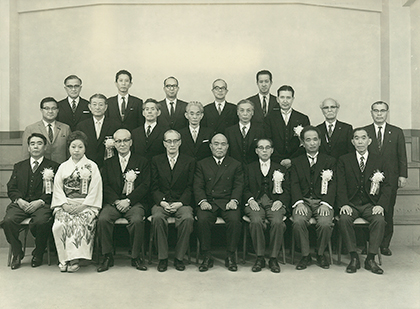 Award ceremony of the Japan Art Academy. Takeo Sato is the third from the left in the front row.
1969年 receive the Japan Art Academy Award for "many years of achievement"
- He worked hard to establish the Architectural and Artistic Industrial Association and became its advisor.
- Worked hard as a founder to establish the Japan Theatre Technology Association and was elected as its first president
- Nominated as a special member of the Nagano Prefectural Association of Architects
- Appointment of the Chairperson of the Design Committee for the NHK Yoyogi Broadcasting Center General Maintenance Construction
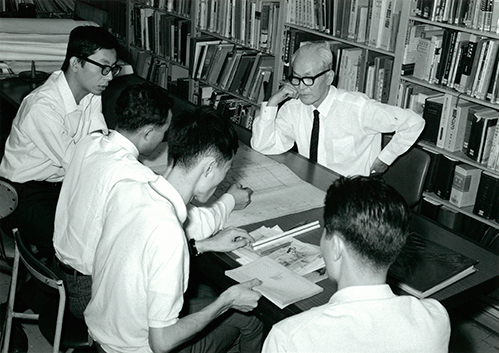 Mentoring the next generation at the Minami-Aoyama office
1972年 Passed away on April 11 at St. Luke's International Hospital in Tsukiji
- Nominated as an Honorary Fellow of the American Institute of Architects
- Appointed to the Junior Fourth Rank by special command and bestowed with one silver cup
- Received the Building Contractors Society Award for the Jonan Shinkin Bank Head Office and the Historical Museum of Hokkaido
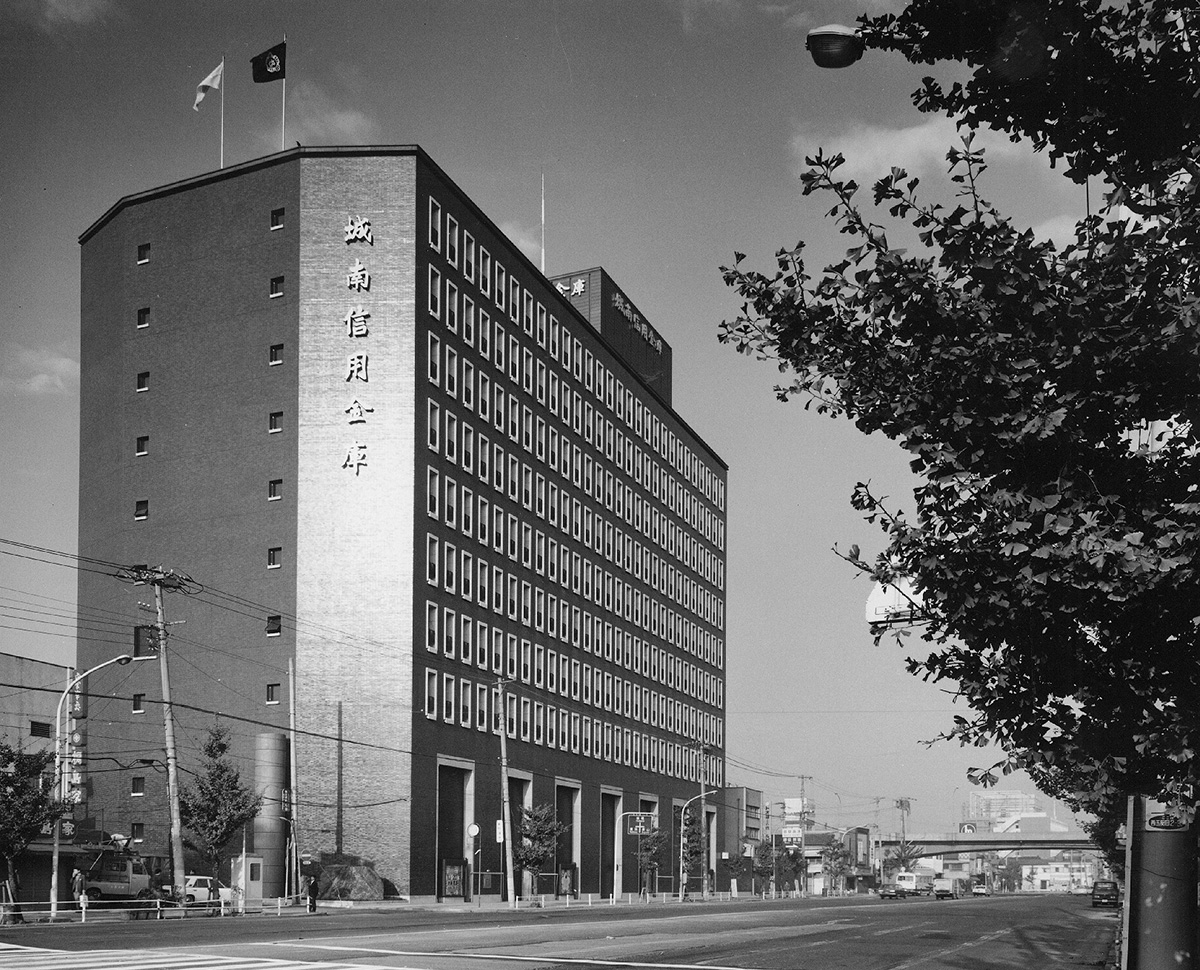 Jonan Shinkin Bank Head Office
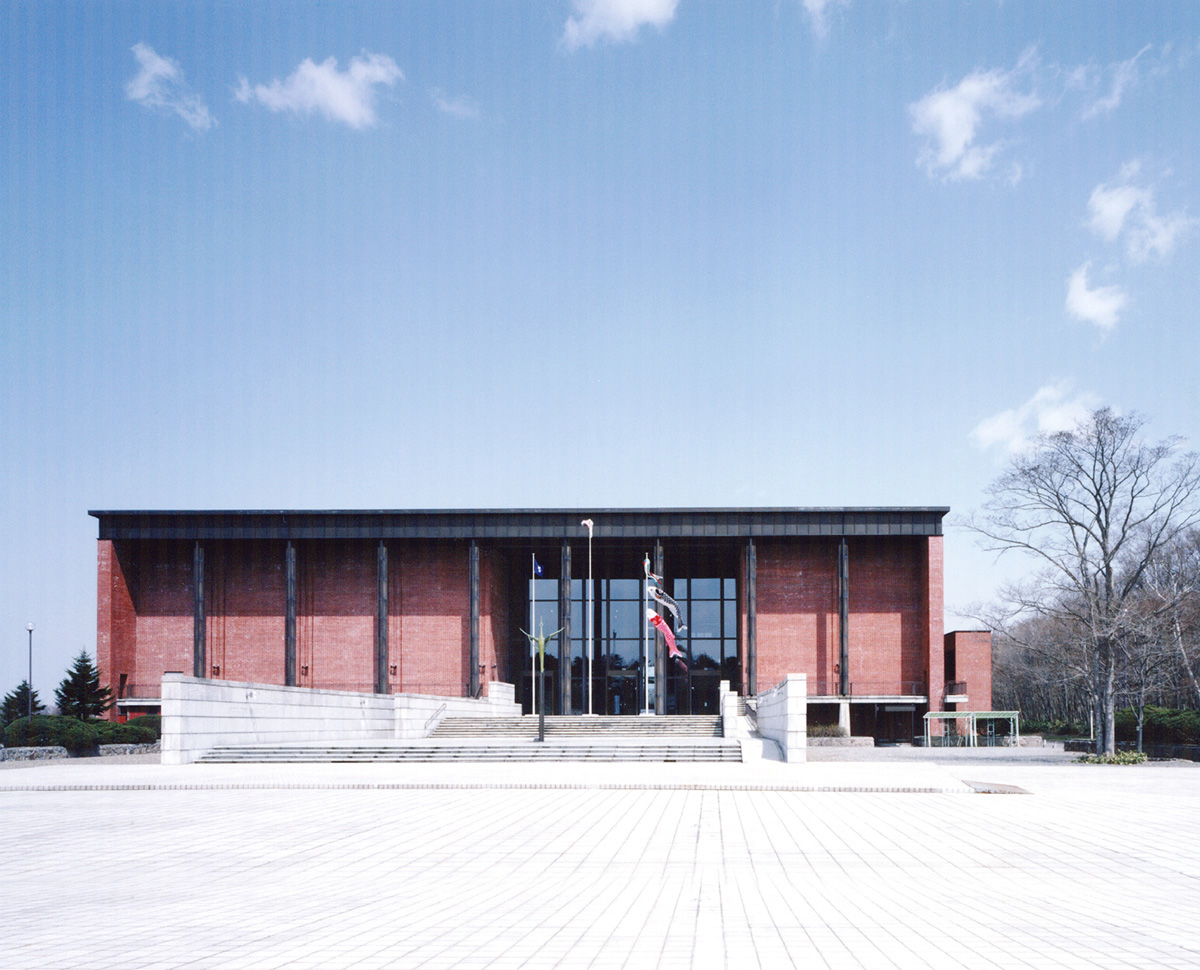 Historical Museum of Hokkaido
